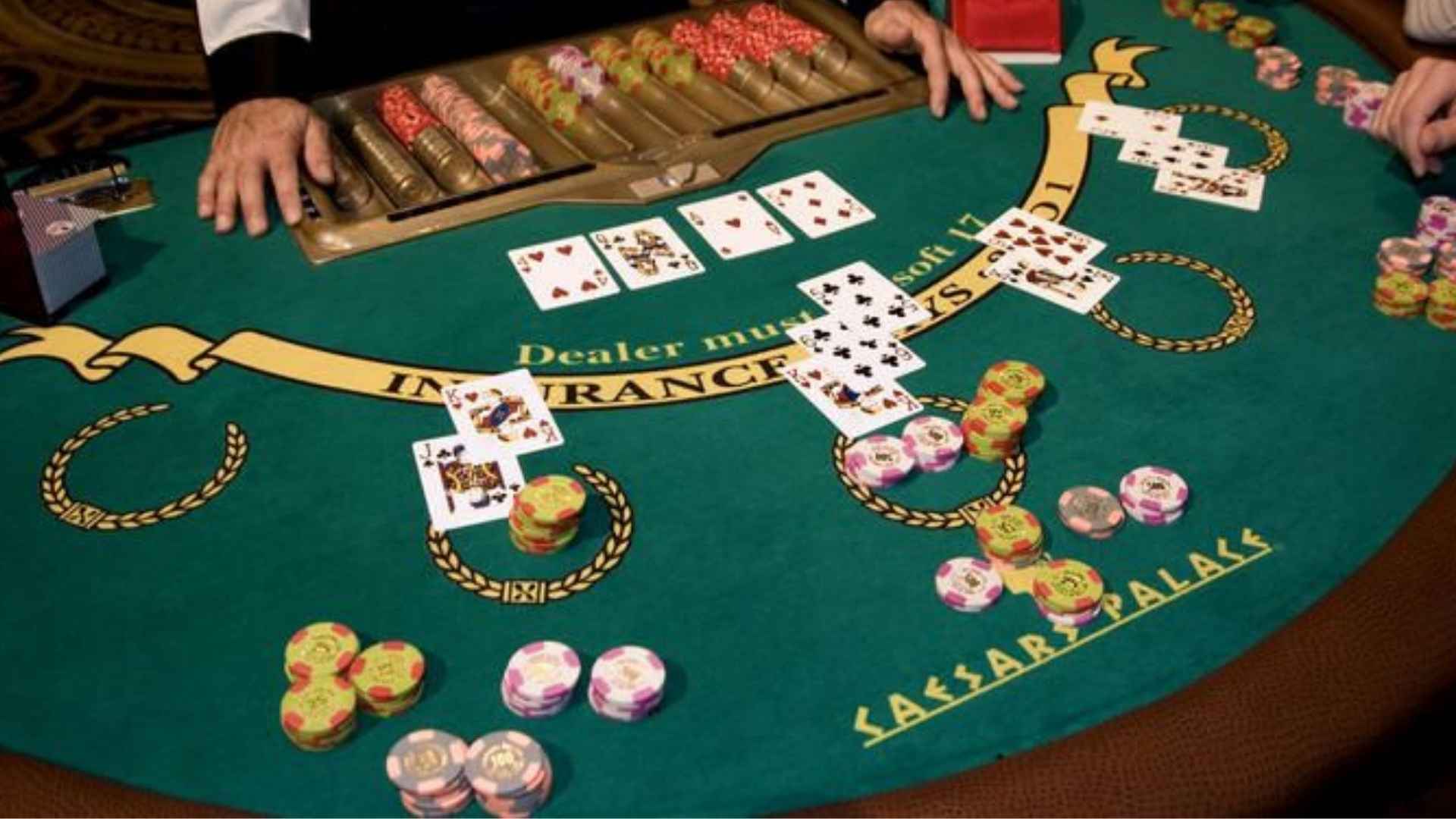
Blackjack is one of the most accessible and exciting casino card games for players looking to combine entertainment with structured decision-making. Unlike games based purely on randomized luck, this classic card pursuit allows players to actively influence their potential outcomes through disciplined choices. By understanding foundational tactics, any beginner can easily navigate the tables and transform their casual play into a calculated approach.
The Core Framework of Basic Strategy
The single most reliable tool for a novice is the basic strategy chart, which maps out the mathematically ideal decision for every single hand distribution. This framework removes all emotional guesswork by telling you exactly when to hit, stand, double down, or split based on your total and the dealer's face-up card. Committing to these verified choices ensures you protect your bankroll from impulsive mistakes and systematically reduce the house edge over time.
For instance, beginners should learn that standing on a hard total of 17 or higher is always correct because the statistical likelihood of bursting is far too high. Conversely, hitting on low totals under 11 is essential to actively build a competitive hand against the house. Finding reliable digital platforms via a trusted m88 alternatif provides an excellent environment for newcomers to practice these simple mathematical charts safely.
The Simple Rules of Splitting Pairs
Maximizing value at the table often depends on recognizing when to divide your cards into two independent hands. A universal guideline that every beginner can easily remember is to always split pairs of Aces and pairs of 8s, regardless of what the dealer holds. Splitting Aces maximizes your potential to land two high-value totals, while splitting 8s breaks up a notoriously difficult starting score of 16.
On the other hand, certain pairs should never be split under any common table conditions, such as pairs of 5s or 10s. A pair of 5s yields a starting total of 10, which is perfect for drawing a single high card or doubling down. Keeping pairs of 10s intact preserves an already dominant hand score of 20, which has an incredibly high statistical probability of winning the round.
Managing Your Bankroll with Discipline
Even the most perfect execution of card strategy will ultimately fail without a disciplined approach to managing your session funds. Successful beginners establish a clear, dedicated budget before joining a table and firmly resolve never to chase losses during a temporary downswing. A highly recommended rule of thumb is to limit individual hand wagers to roughly one or two percent of your total session bankroll.
Maintaining unwavering emotional control ensures that you stick strictly to proven mathematical percentages rather than relying on false superstitions or sudden gut feelings. Knowing exactly when to step away from the table is just as vital to your long-term consistency as understanding how to play the cards in your hand. By combining tactical knowledge with realistic budgeting, you ensure a highly sustainable and genuinely rewarding gaming hobby.